Akustična obdelava dvoran
Odkrijte moč akustične odličnosti
Želite svojo dvorano preoblikovati v prostor s popolno kakovostjo zvoka in vizualno privlačnostjo?
Preberite naš celovit vodnik o akustični obdelavi dvoran – obvezno branje za arhitekte, oblikovalce, upravnike objektov in vse, ki načrtujejo optimizacijo akustične zmogljivosti v koncertnih prizoriščih, konferenčnih dvoranah, studiih ali domačih kinih.
V tem poglobljenem članku Acoustics Delta deli strokovna spoznanja o:
- Osnovah akustične obdelave in optimizacije zvoka
- Izbiri in vključitvi sodobnih akustičnih plošč in materialov
- Poteku projekta na ključ: od akustične analize do namestitve in preizkušanja
- Usklajenosti zasnove: združevanju akustike z razsvetljavo in estetiko
- Prilagojenih rešitvah za različne vrste dvoran – od gledališč do pisarn
- Študijah primerov iz prakse in dokazanih rezultatih
Ne glede na to, ali načrtujete novogradnjo ali nadgradnjo obstoječega prostora, vam bo ta vodnik pomagal doseči zvočno okolje, ki izboljša vsak nastop, predstavitev ali srečanje.
1. Osnove akustične obdelave
Akustična obdelava dvorane ni le element zasnove, temveč kompleksna inženirska naloga, katere cilj je ustvariti ugodno zvočno okolje. Učinkovita akustika ima ključno vlogo pri ustvarjanju udobnih prostorov za komunikacijo, učenje, glasbene in gledališke nastope, predstavitve in druge dogodke.
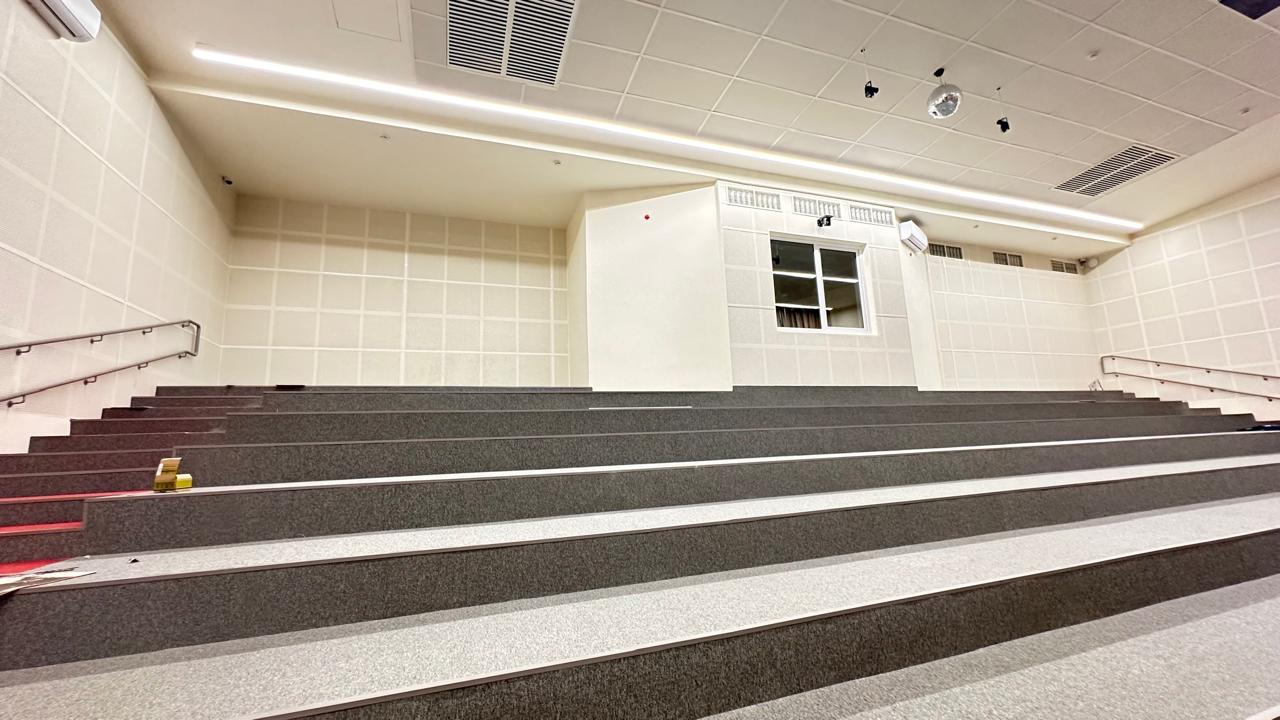
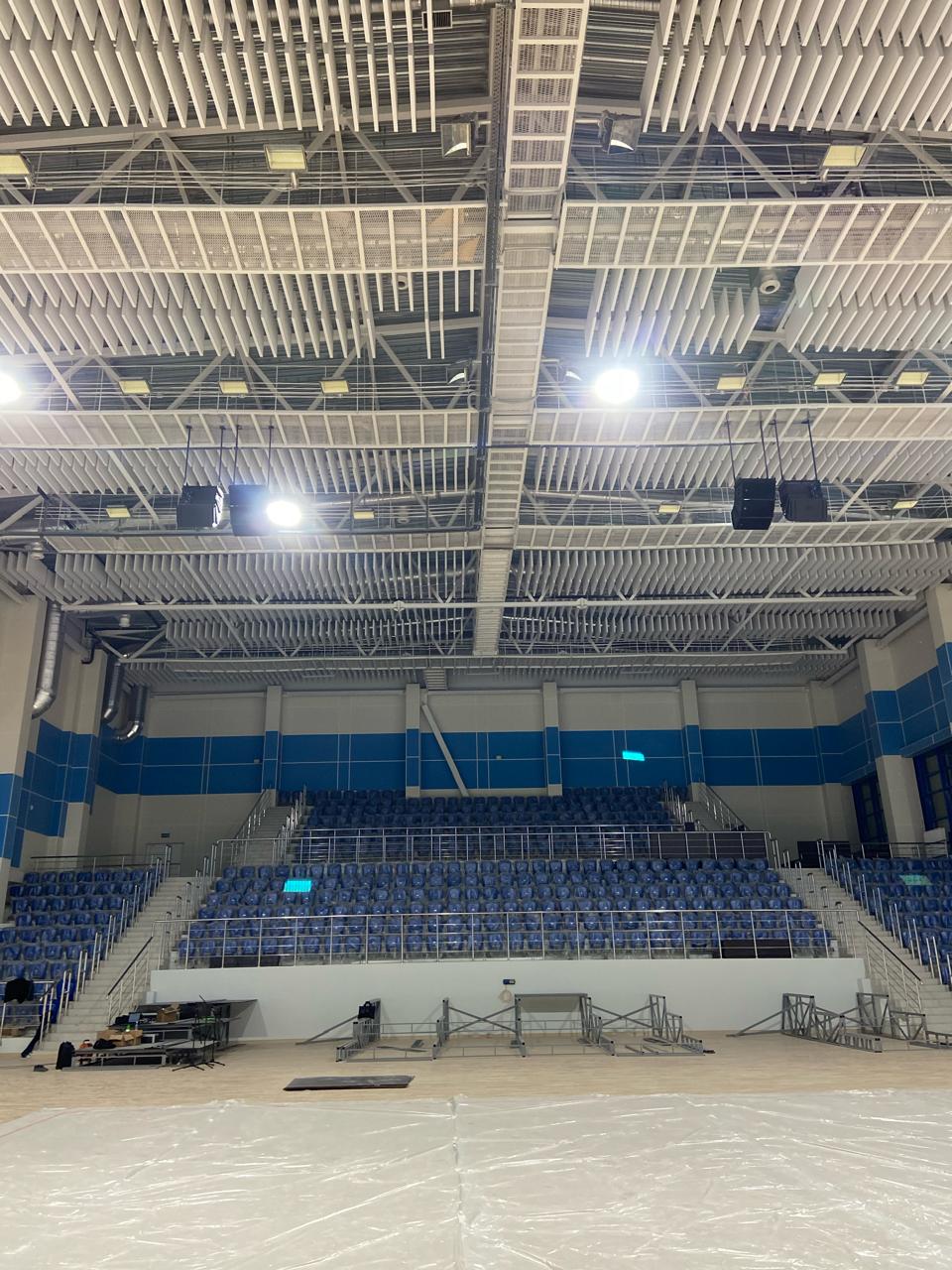
Glavni cilj akustične obdelave je upravljanje zvočnih valov v prostoru. To dosežemo z zmanjšanjem ravni hrupa, zmanjšanjem odmeva in enakomerno porazdelitvijo zvoka po dvorani. V ta namen se uporabljajo posebni materiali z visoko zvočno izolacijskimi in zvočno absorpcijskimi lastnostmi, vključno s stenskimi akustičnimi ploščami, akustičnimi stropnimi sistemi in talnimi oblogami, ki absorbirajo hrup.
Obdelava z akustičnimi ploščami se izvaja v skladu z akustičnim izračunom, ki upošteva geometrijo prostora, prostornino, namestitev zvočnih virov in druge dejavnike. Te plošče so lahko izdelane iz različnih materialov, kot so blago, les, mineralna volna, akustična pena, kompozitni materiali ipd. Na voljo so v različnih oblikah in debelinah, kar omogoča optimalne rešitve, prilagojene vsakemu posameznemu primeru.
Poleg tradicionalnih zvočno absorpcijskih plošč lahko akustična obdelava vključuje tudi elemente za difuzijo in odboj zvoka. To je še posebej pomembno za koncertne dvorane, gledališča in filharmonije, kjer je naravna in polna reprodukcija zvoka ključnega pomena. Difuzorji pomagajo razpršiti zvočne valove, preprečujejo nastanek stojnih valov in izboljšajo splošno zaznavanje zvoka v dvorani.
Akustična obdelava sten in stropov vpliva tudi na vizualno zaznavanje prostora. Pravilno izbrani materiali in obdelave ne zagotavljajo le visoke ravni zvočnega udobja, temveč lahko služijo tudi kot elegantni elementi notranje opreme. Danes je na voljo širok nabor dekorativnih akustičnih rešitev, vključno s ploščami s fotografskim tiskom, laminiranimi oblogami, blagom ali lesenimi površinami, kar omogoča brezhibno vključitev akustičnih elementov v vsako zasnovo.
Poleg tega so pomembni elementi akustična zasnova, razsvetljava in barvna obdelava. Ti vidiki delujejo usklajeno, se medsebojno dopolnjujejo in ustvarjajo skladno zaznavanje prostora. Naša ekipa razvija rešitve, ki hkrati upoštevajo akustiko, estetiko in funkcionalnost prostora.
2. Akustične plošče za notranjo obdelavo
Akustične plošče za notranjo obdelavo so ključna sestavina pri ustvarjanju udobnega zvočnega okolja v vsaki dvorani. Uporabljajo se za dušenje hrupa, odpravo odmevov in izboljšanje kakovosti zvoka. Te plošče se uporabljajo tako v javnih stavbah kot v stanovanjskih prostorih, na primer v koncertnih dvoranah, konferenčnih prostorih, predavalnicah, studiih, domačih kinih in stanovanjih.
Stenske akustične plošče za notranjo obdelavo sten zagotavljajo visoko raven zvočne absorpcije, kar bistveno skrajša čas odmeva in izboljša razumljivost govora. Izdelane so lahko v različnih slogih: z oblogo iz blaga, lesenim furnirjem, perforiranimi ali mikroperforiranimi površinami, laminirane ali barvane.
Za največjo učinkovitost se plošče namestijo na stene, stropove ali vključijo v zasnovo akustičnih sistemov. Oblaganje sten z akustičnimi ploščami je še posebej pomembno v prostorih z visoko zvočno obremenitvijo. Glede na namen dvorane se plošče izberejo z določenimi koeficienti zvočne absorpcije, kar omogoča doseganje optimalnega ravnovesja med absorpcijo in odbojem zvoka.
Na voljo so tudi kombinirane rešitve – akustične stenske plošče za notranjo obdelavo v stanovanjih –, ki združujejo dekorativne in funkcionalne lastnosti. Zasnovane so lahko v minimalističnem, klasičnem, high-tech ali loft slogu, kar omogoča skladno vključitev akustičnih elementov v notranjost.
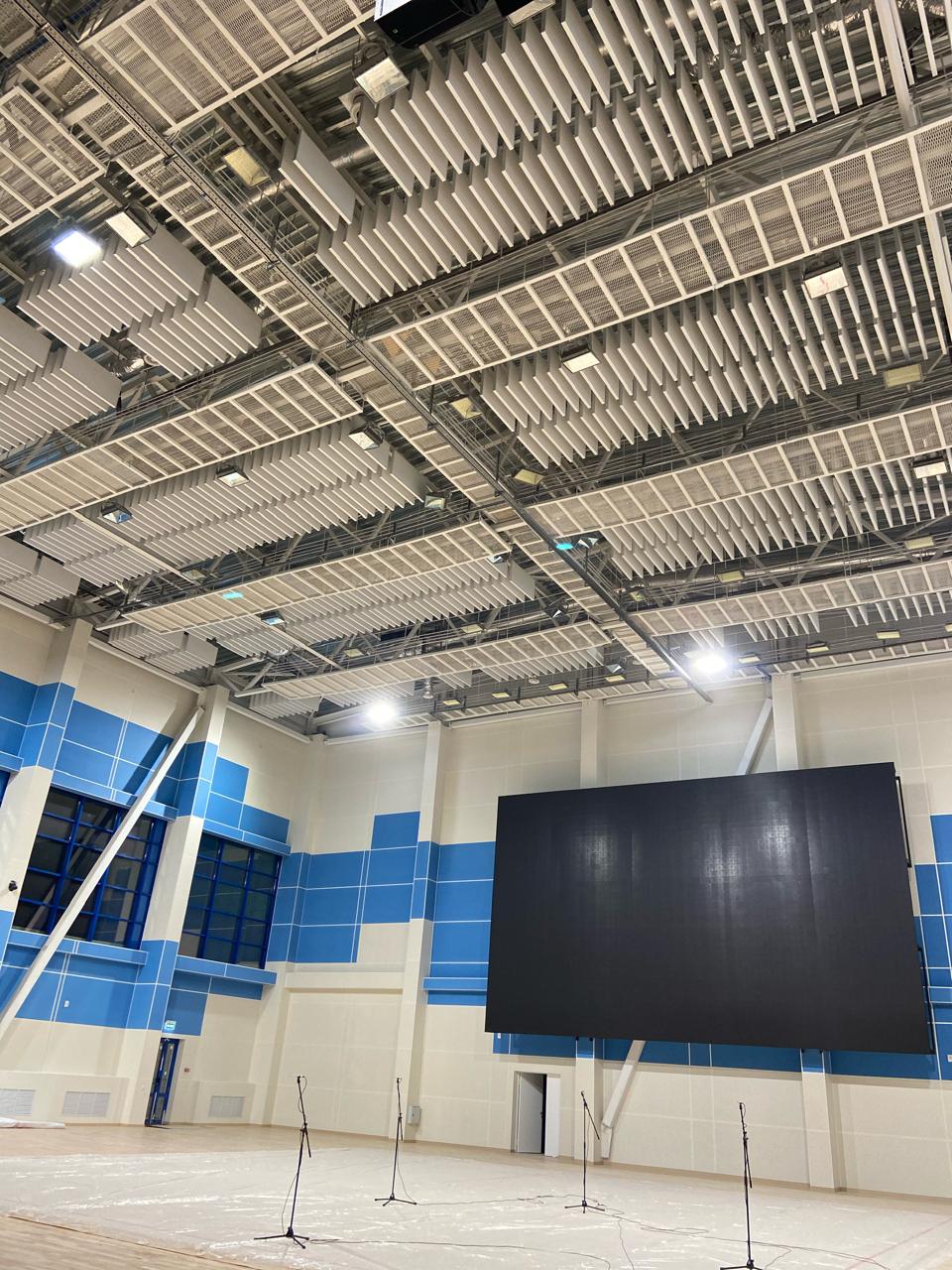
Posebna pozornost je namenjena stropnim oblogam. Dvorana s spuščenimi stropi in pravilno izbrano obdelavo lahko bistveno izboljša porazdelitev zvočnih valov. Uporaba spuščenih akustičnih stropov omogoča nadzor nad akustiko po celotni površini dvorane in hkrati prikrije inštalacije.
Pri načrtovanju velikih prostorov uporabljamo specializirane materiale za obdelavo dvoran, vključno z zvočno absorpcijskimi ploščicami, perforiranimi mavčnimi ploščami, akustično klobučevino, ploščami iz steklenih vlaken in drugimi inovativnimi materiali. Vsi ustrezajo sodobnim standardom požarne varnosti in okoljskim zahtevam.
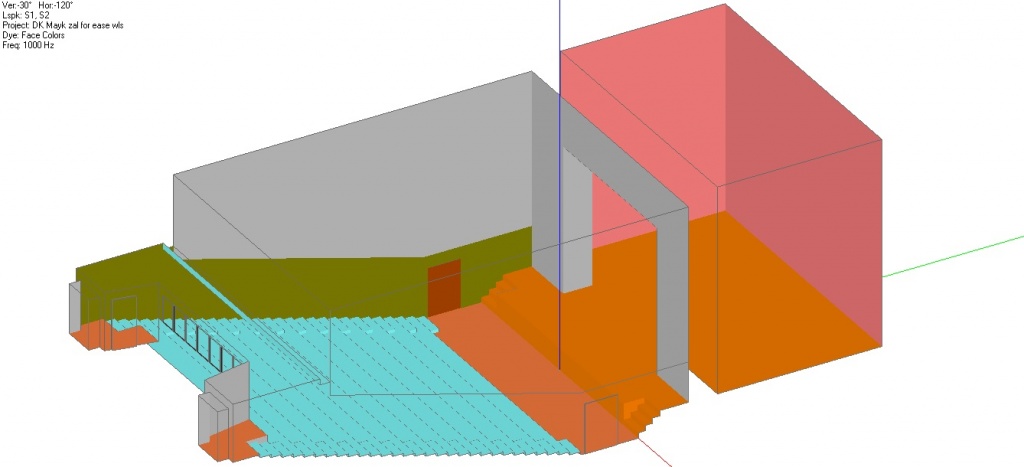
Pomembno je poudariti, da se akustična obdelava vedno izvaja ob upoštevanju individualnih značilnosti dvorane. Po potrebi bodo strokovnjaki Acoustics Delta pripravili podroben projekt akustične obdelave s predhodnimi izračuni količine in vrste akustičnih plošč, kar omogoča natančno napovedovanje akustičnih lastnosti prostora že pred začetkom namestitve.
3. Postopek akustične obdelave
Postopek akustične obdelave obsega več pomembnih faz, od katerih vsaka vpliva na končni rezultat. Od pravilnega načrtovanja do kakovostne namestitve vsak korak zahteva strokovni pristop in tehnično natančnost. Pri Acoustics Delta sledimo jasno opredeljenemu delovnemu toku, da zagotovimo največjo učinkovitost in vrhunsko kakovost naših rešitev.
1. Začetni pregled in ocena prostora
Pred začetkom dela izvedemo celovito analizo prostora: izmerimo njegovo geometrijo, ocenimo akustične lastnosti, opredelimo problematična območja in določimo cilje naročnika. To nam pomaga razumeti želene akustične učinke – kot so zmanjšanje odmeva, izboljšanje razumljivosti govora ali enakomerna porazdelitev zvoka.
2. Izdelava projekta akustične obdelave
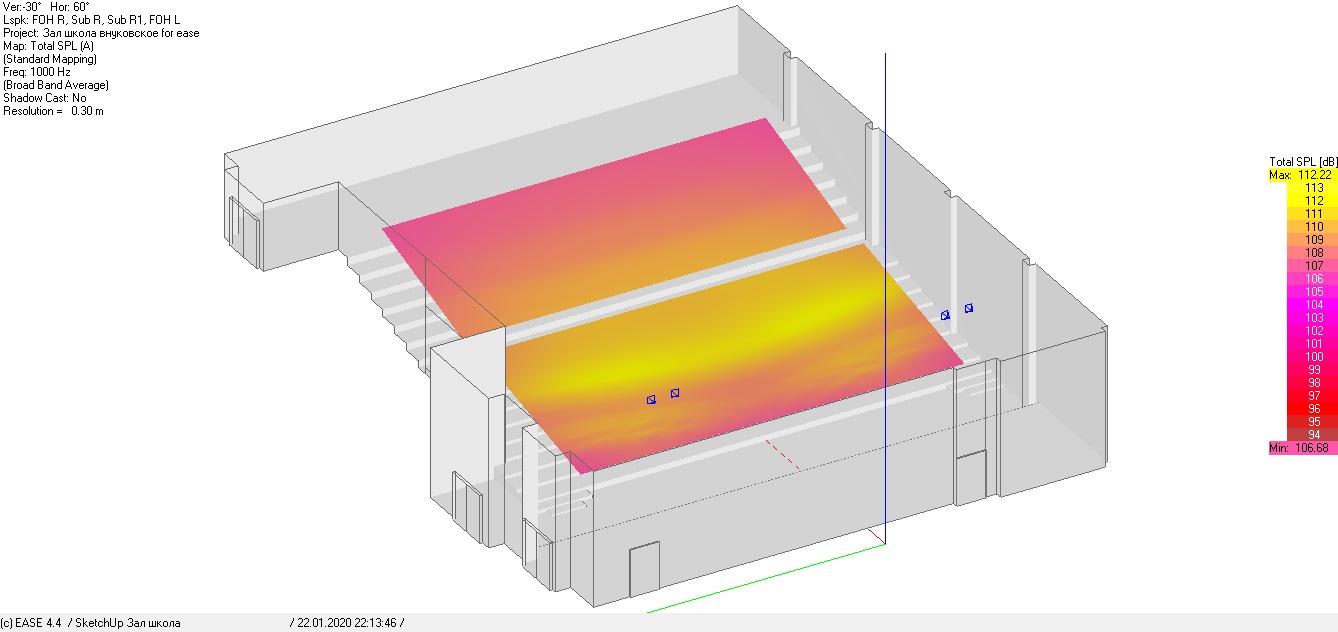
Na podlagi zbranih podatkov strokovnjaki Acoustics Delta izdelajo projekt akustične obdelave. Ta vključuje izbiro materialov, izračune količin in načrtovanje razporeditve akustičnih plošč ter drugih elementov. Po potrebi pripravimo tudi 3D vizualizacije, ki prikazujejo, kako bo dvorana videti po zaključku.
Posebna pozornost je namenjena izračunu potrebnega števila akustičnih plošč. Akustično modeliranje nam omogoča ne le določitev optimalnih con namestitve, temveč tudi izbiro ustreznih vrst plošč glede na njihove koeficiente absorpcije in akustični profil prostora. To zagotavlja učinkovito akustično rešitev brez nepotrebnih stroškov ali prenatrpanosti prostora.
3. Izbira in potrditev materialov
Ko je projekt potrjen, nadaljujemo z izbiro materialov: stenskih akustičnih plošč, stropnih konstrukcij in dekorativnih elementov, ki se ujemajo z notranjo zasnovo. V tej fazi se upoštevajo tako tehnične značilnosti kot vizualna estetika – kot so barva, tekstura, oblika in slog.
4. Priprava površin in namestitev
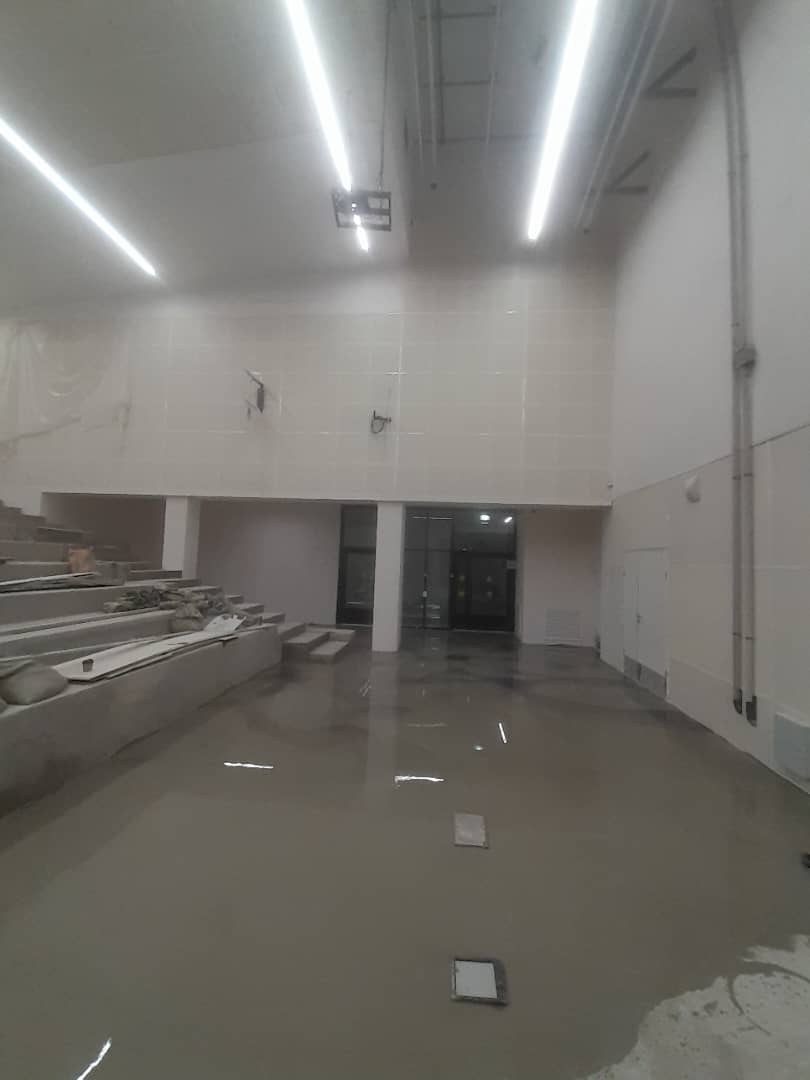
Površine se pripravijo za namestitev: stene se izravnajo, namestijo se pritrdilni sistemi in vodila. Montaža akustičnih plošč se izvaja strogo v skladu s projektom in ob upoštevanju vseh tehničnih predpisov. Posebna pozornost je namenjena natančnosti stikov, poravnavi plošč in skladnosti z načrti.
5. Preizkušanje akustične zmogljivosti
Po zaključeni namestitvi izvedemo končni akustični preizkus prostora. To nam omogoča preveriti, ali so bili doseženi potrebni parametri – kot so čas odmeva, jasnost govora in splošno zvočno udobje. Po potrebi je mogoče prilagoditi razporeditev ali namestiti dodatne plošče.
6. Zaključna faza in predaja
Zaključna faza obsega čiščenje, predajo projekta naročniku in izročitev vse spremljajoče dokumentacije, vključno s certifikati materialov, projektno datoteko akustike in strokovnimi poročili. Ponujamo tudi svetovanje o prihodnji uporabi prostora in vzdrževanju akustičnih plošč.
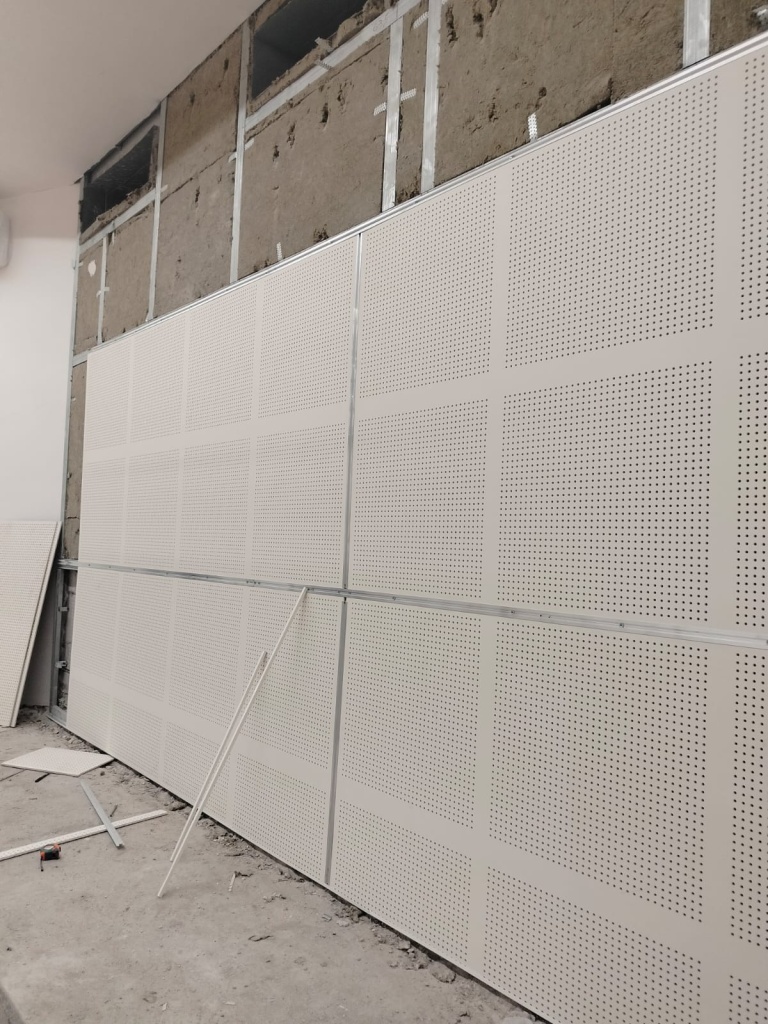
Tako celovit postopek akustične obdelave na ključ podjetja Acoustics Delta zajema vse faze – od zasnove do popolne izvedbe – ter zagotavlja zmogljivost, estetiko in dolgoročno zanesljivost.
4. Akustična zasnova in estetika
Sodobne zahteve za akustično obdelavo presegajo zgolj tehnične značilnosti. Estetika je postala prav tako pomembna – kako se akustične rešitve ujemajo s splošnim slogom notranje opreme in kako skladno se vključijo v arhitekturni prostor. Zato akustično zasnovo, razsvetljavo in barvno obdelavo obravnavamo kot celoto.
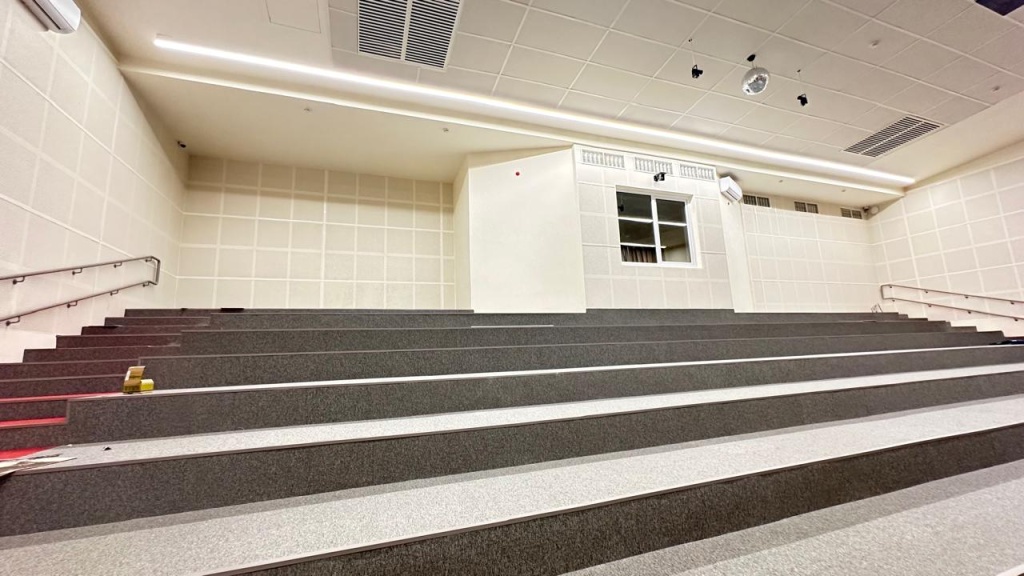
Estetika in funkcionalnost: enoten pristop
Na prvi pogled se akustične plošče morda zdijo zgolj uporabne, vendar sodobne tehnologije omogočajo izdelavo dekorativnih izdelkov, ki se po videzu kosajo s tradicionalnimi obložnimi materiali. Oblaganje sten z akustičnimi ploščami lahko služi več namenom: zagotavlja akustično udobje, izboljša vizualno zaznavanje prostora in poudari arhitekturne značilnosti.
Stenske akustične plošče za notranjo obdelavo so na voljo v širokem naboru barv in tekstur. Ta prilagodljivost omogoča, da se prilagodijo praktično vsaki notranji zasnovi. Plošče je mogoče oblikovati tudi kot umetniške predmete, vključiti integrirane svetlobne elemente, posnemati naravne materiale ali ustvariti dinamične vizualne učinke.
Vključitev razsvetljave in akustike
Učinkovito akustično zasnovo pogosto dopolnjuje skrbno načrtovana arhitekturna in odrska razsvetljava. Svetloba lahko vizualno razdeli prostor, poudari ključne značilnosti notranje opreme in omili zaznavanje velikih akustičnih konstrukcij. V nekaterih primerih so akustične plošče opremljene z vgrajeno LED osvetlitvijo, kar jih spremeni v funkcionalne elemente dekorativne razsvetljave.
Ključno vlogo ima tudi barvna obdelava. Pravilno izbrane barvne sheme lahko vplivajo na zaznano velikost, udobje in vzdušje prostora. Svetli odtenki vizualno povečajo prostor, topli toni pa ga naredijo prijetnejšega. Kombinacija barve, svetlobe in oblik plošč spremeni akustično obdelavo v sestavni del celotne zasnove.
Prilagojene rešitve za vsak projekt
Acoustics Delta ponuja izdelavo prilagojenih projektov akustične obdelave, vključno z akustično zasnovo, razsvetljavo in barvnimi shemami notranje opreme. Sodelujemo s profesionalnimi oblikovalci in arhitekti, da ustvarimo prostore, kjer je pomembna vsaka podrobnost.
Naš cilj ni le zagotoviti akustično udobje, temveč ustvariti skladno okolje, primerno za vse vrste dogodkov – od poslovnih srečanj do kulturnih nastopov. Skrbno izbiramo materiale, usklajujemo teksture in barve ter akustične sisteme vključujemo v notranjost tako, da ohranimo slogovno celovitost prostora.
Ta celovit pristop nam omogoča doseganje izjemnih rezultatov: dvorane postanejo ne le funkcionalne, temveč tudi vizualno izstopajoče. Akustična obdelava postane element arhitekturnega izraza – poudari edinstvenost prostora ter poveča njegovo estetsko in komercialno vrednost.
5. Posebnosti obdelave različnih vrst dvoran
Vsaka vrsta dvorane ima svoje edinstvene akustične zahteve. Zato je pri izdelavi projekta akustične obdelave pomembno upoštevati ne le prostornino in geometrijo prostora, temveč tudi njegov funkcionalni namen. Acoustics Delta razvija rešitve za najrazličnejše objekte – od majhnih studiov do velikih koncertnih prizorišč.
Koncertne in gledališke dvorane
Za koncertne in gledališke dvorane so ključni parametri naravna reprodukcija zvoka, ohranjanje barve tona, dinamika zvoka in enakomerna porazdelitev zvoka po prostoru za gledalce. Akustična obdelava teh prizorišč zahteva skrbno načrtovanje in izvedbo. Običajno se uporablja kombinacija zvočno absorpcijskih in difuzijskih plošč za zagotovitev optimalnega ravnovesja med absorpcijo in odbojem.
Stenske plošče z različnimi koeficienti zvočne absorpcije se uporabljajo za ustvarjanje želenega polja odmeva. Spuščeni stropi vključujejo akustične module, ki izboljšajo splošno kakovost zvoka in hkrati prikrijejo tehnično infrastrukturo. Ključno vlogo ima tudi talna obloga – izbere se glede na sposobnost zvočne absorpcije in vzdržljivost pri veliki obremenitvi.
Konferenčne dvorane in predavalnice
V teh prostorih je glavna prednostna naloga razumljivost govora. Vse projektne rešitve so usmerjene v zmanjšanje odmeva in hrupa ozadja. Uporabljajo se akustične obdelave sten, stropov in včasih tal, ki vključujejo mehke plošče in obdelave, ki absorbirajo hrup. Posebna pozornost je namenjena namestitvi zvočnih sistemov za odpravo popačenj in učinkovito usmerjanje zvoka k občinstvu.
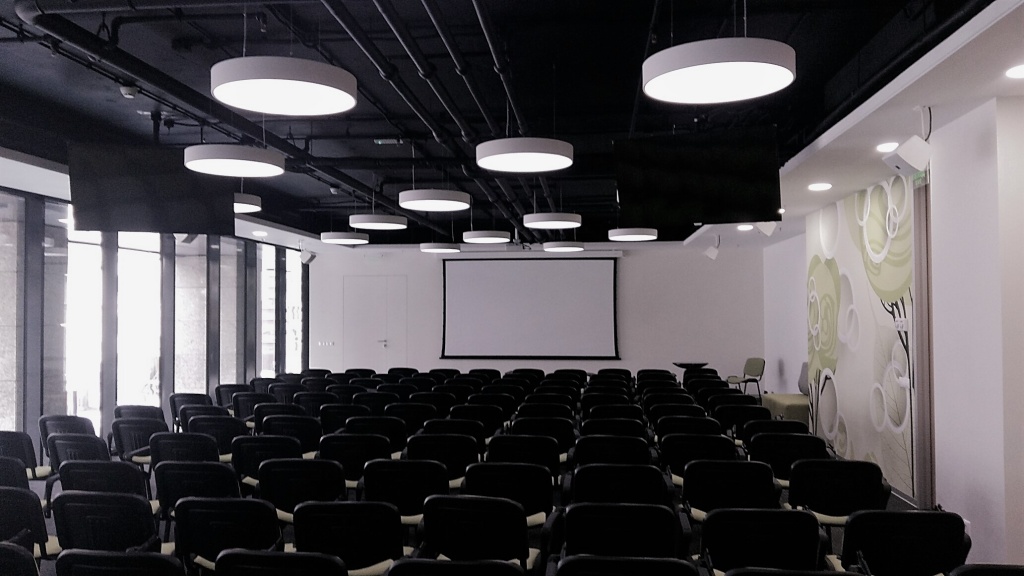
Stenske akustične plošče za notranjo obdelavo se pogosto uporabljajo v konferenčnih dvoranah, pogosto prekrite z blagom ali dekorativnimi materiali. Te plošče opravljajo tako tehnično kot estetsko funkcijo ter pomagajo ustvariti sodobno in profesionalno vzdušje.
Večnamenske in športne dvorane
Ta prizorišča zahtevajo vsestranske akustične rešitve, saj gostijo različne dogodke, kot so športna tekmovanja, koncerti, razstave in javna srečanja. Akustična obdelava se v takšnih primerih osredotoča na mobilnost, modularnost in enostavnost preureditve.
Uporaba premičnih plošč in spuščenih sistemov omogoča prilagajanje akustičnega profila prostora glede na dogodek. Materiali se izberejo glede na vzdržljivost in odpornost proti intenzivni uporabi ob ohranjanju potrebnih akustičnih lastnosti.
Domači studii in domači kini
Akustična obdelava domačih studiev zahteva natančnost in tehnično znanje. V teh prostorih sta pomembna tako akustična zmogljivost kot estetska vključitev v domačo notranjost. Pogosto se uporabljajo stenske akustične plošče za stanovanja, ki omogočajo doseganje studijske kakovosti zvoka v bivalnem okolju.
V domačih kinih je pozornost namenjena akustiki stropa in stranskih sten ter nadzoru odmeva. Kombinacija absorpcijskih, odbojnih in difuzijskih materialov pomaga ustvariti izkušnjo, ki je blizu profesionalnim kinodvoranam.
Ne glede na namen prostora Acoustics Delta zagotavlja rešitve, prilagojene posebnim potrebam. To zagotavlja največjo učinkovitost akustične obdelave, tako za velike dvorane kot za kompaktne studijske prostore.
6. Materiali za obdelavo dvoran
Kakovost akustične obdelave je neposredno odvisna od izbire materialov. Sodobni trg ponuja širok nabor rešitev, vsaka s svojimi edinstvenimi akustičnimi, estetskimi in izvedbenimi značilnostmi. Pri Acoustics Delta materiale za obdelavo dvoran skrbno izbiramo na podlagi akustičnih izračunov, arhitekture prostora in ciljev naročnika.
Akustične plošče
Osrednji element večine rešitev so akustične plošče za notranjo obdelavo. Izdelane so iz različnih materialov, vključno z:
Mineralna volna – zagotavlja visoko zvočno absorpcijo; uporablja se v prikritih in vidnih konstrukcijah.
Akustična pena – uporablja se predvsem v studiih; na voljo v različnih oblikah in teksturah.
Dekorativne plošče – prevlečene z blagom, furnirane, barvane ali s tiskanimi vzorci, ki združujejo estetiko z akustično zmogljivostjo.
Stenske akustične plošče za stene in stanovanja
Te plošče so še posebej priljubljene v stanovanjskih in pisarniških prostorih, kjer sta pomembna tako akustična zmogljivost kot vizualna privlačnost. Namestiti jih je mogoče z lepilom, okvirnim sistemom ali prikritim pritrdilnim priborom. Pogoste uporabe vključujejo domače kine, sejne sobe, studie in celo dnevne sobe za ustvarjanje udobnega zvočnega okolja.
Stropni materiali
Dvorane s spuščenimi stropi zahtevajo prilagojen pristop k materialom. Uporabljamo akustične stropne ploščice, spuščene kasete in napete strope z akustično perforacijo. Ti ne le absorbirajo zvoka, temveč zagotavljajo tudi enakomerno akustično polje in prikrijejo tehnično infrastrukturo.
Talne obloge
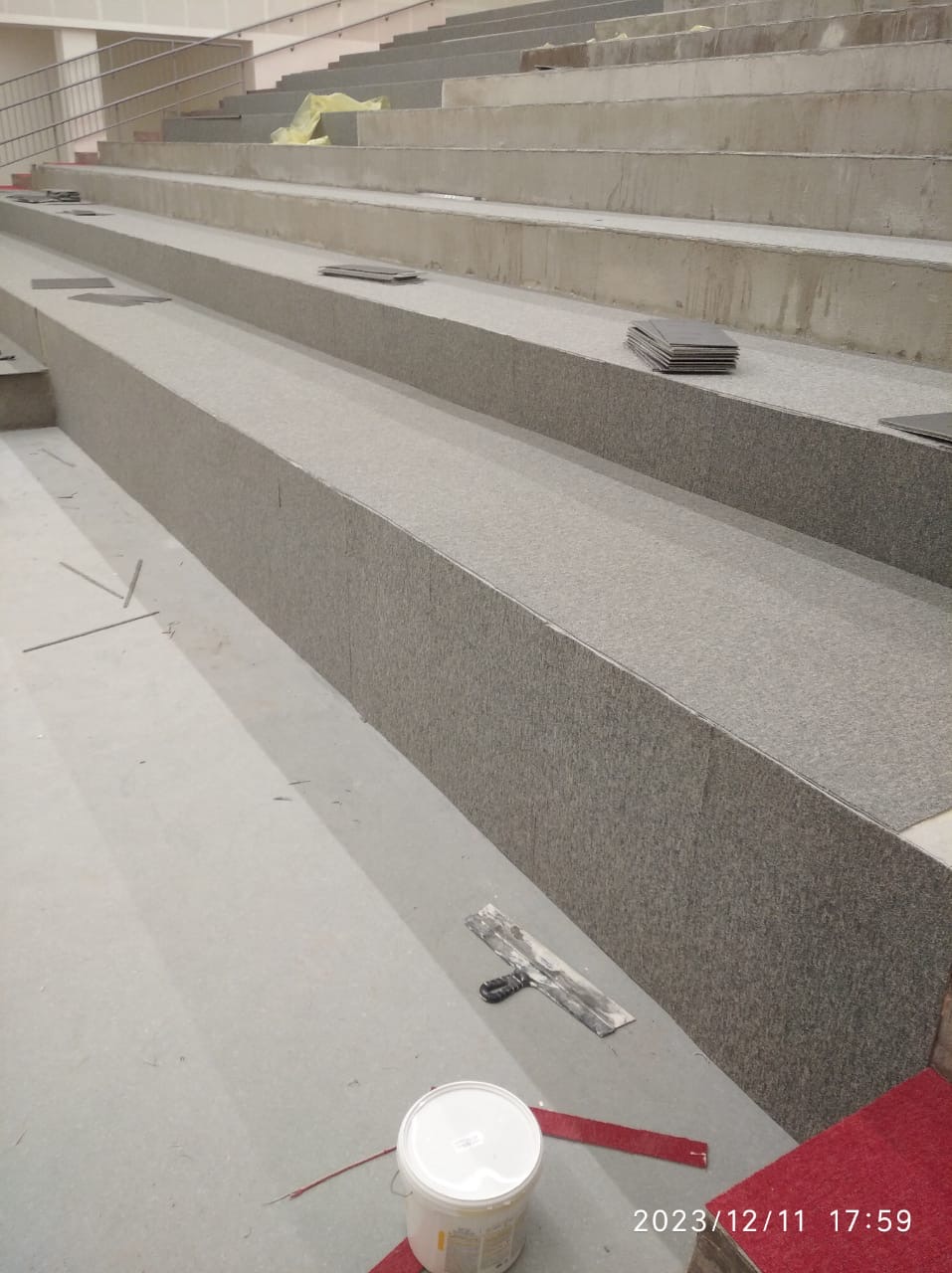
Talna obloga ima ključno vlogo pri upravljanju odboja in absorpcije zvoka. Uporabljamo posebne tekstilne talne plošče, linolej z akustičnimi podlogami, gumijaste ploščice in laminat s plastmi za dušenje zvoka. Izbira je odvisna od pričakovane obremenitve in zahtevanih akustičnih lastnosti.
Dodatni elementi
Za izboljšanje akustike prostora uporabljamo tudi:
Difuzorje – za enakomerno razpršitev zvoka
Basovne pasti – za odpravo nizkofrekvenčnih resonanc
Akustična ohišja in dvonamenske plošče – ki združujejo absorpcijo in odboj
Premične akustične predelne stene – idealne za prilagodljivo preoblikovanje prostora
Vsi materiali, ki jih uporablja Acoustics Delta, so certificirani, zdravju varni in skladni s predpisi o požarni varnosti. Sodelujemo z vodilnimi proizvajalci in dobavitelji ter zagotavljamo ne le odlično akustično zmogljivost, temveč tudi dolgoročno vzdržljivost.
Izbira pravih materialov je ključna za uspešno akustično obdelavo. Zato tej fazi namenjamo posebno pozornost in za vsak projekt razvijamo prilagojene rešitve.
7. Študije primerov izvedenih projektov
Acoustics Delta je ponosen na širok nabor uspešno izvedenih projektov akustične obdelave. Naše izkušnje segajo od majhnih snemalnih studiev do obsežnih koncertnih in večnamenskih dvoran.
Koncertna dvorana v kulturnem središču
Ta projekt je obsegal celovito akustično prenovo obstoječega objekta. Izvedli smo podrobno akustično analizo, na podlagi katere je bila izvedena namestitev stenskih plošč z različnimi absorpcijskimi lastnostmi. Strop je bil nadgrajen s spuščenim akustičnim sistemom, kar je bistveno izboljšalo enakomernost zvočnega polja. Uporabljena je bila tudi visokozmogljiva zvočno izolacijska talna obloga.
Rezultat: 40-odstotno izboljšanje razumljivosti govora in dvakratno zmanjšanje časa odmeva.
Večnamenska konferenčna dvorana v poslovnem središču
Glavni cilj je bil zagotoviti visoko razumljivost govora in udobno zaznavanje zvoka z minimalnimi vizualnimi spremembami notranje opreme. Nameščene so bile stenske akustične plošče z oblogo iz blaga v korporativnih barvah. Akustična obdelava stropa je pomagala zmanjšati hrup ozadja in odpraviti učinek »odmevne komore«. Poleg tega so bili vključeni dekorativni svetlobni elementi in pameten sistem za nadzor zvoka.
Domači kino v zasebni rezidenci
Ta projekt je vključeval uporabo stenskih akustičnih plošč za stanovanja z lesenimi oblogami in vložki iz blaga. Strop je bil opremljen z zvočno absorpcijskimi moduli, zasnovanimi tako, da se ujemajo z notranjo opremo. Basovne pasti in difuzorji so bili skrbno razporejeni za enakomerno porazdelitev zvoka.
Rezultat: studijska kakovost zvoka brez motečih resonanc, kot je pripomnil naročnik.
Predavalnica na državni univerzi
V okviru pogodbe o javnem naročilu smo izvedli obdelavo predavalnice, namenjene predstavitvam in seminarjem. Glavni cilj je bil odpraviti odmev in zagotoviti jasno reprodukcijo zvoka – tudi ko je predavalnica polna. Akustične plošče so bile vključene v stene in stropne konstrukcije. Vsi uporabljeni materiali so bili požarno varni in odporni proti vandalizmu.
Vsak od teh projektov izkazuje naš individualni pristop, podrobno načrtovanje in visoko raven mojstrstva. Naš cilj je, da akustična obdelava ne bo le funkcionalna rešitev, temveč tudi pomemben del notranje zasnove.
Ste pripravljeni uresničiti svoj projekt?
Obrnite se na nas in pomagali vam bomo najti najboljšo akustično rešitev za vaš prostor.
Zaključek
Akustična obdelava dvoran je kompleksen in večplasten postopek, ki zahteva strokovni pristop, poglobljeno znanje in izkušnje na področju arhitekturne akustike. Kadar je pravilno zasnovana in izvedena, lahko bistveno izboljša kakovost zvoka, zmanjša raven hrupa, odpravi odmev in ustvari udobno okolje za vse vrste dogodkov.
Acoustics Delta ponuja celovite rešitve za akustično obdelavo, prilagojene arhitekturi, funkciji in estetskim željam vsakega naročnika. Uporabljamo napredne tehnologije, kakovostne materiale in podroben postopek po korakih – od začetne analize do predaje projekta.
Ne glede na to, ali potrebujete akustično obdelavo za dvorano, koncertno prizorišče, konferenčni prostor, studio ali domači kino – razvili bomo prilagojeno rešitev. Po potrebi bomo izvedli natančne akustične izračune in izbrali optimalno število ter vrsto akustičnih plošč, kar zagotavlja ne le tehnično odličnost, temveč tudi vizualno skladnost.
|
Oddajte povpraševanje na spletni strani, v kratkem vas bomo kontaktirali in odgovorili na vsa vprašanja.
|
Naročite storitev
|