
Načrtovanje ozvočenja
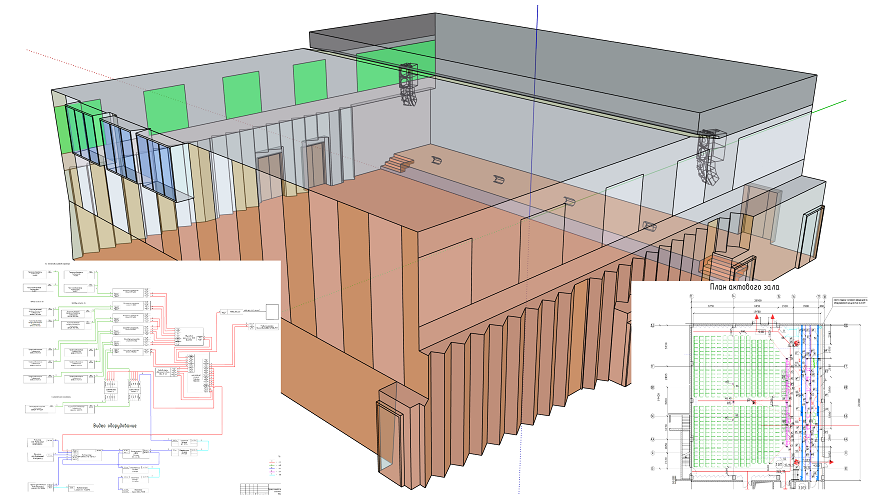
Načrtovanje ozvočevalnega sistema je postopek izdelave sistema, ki ojača zvok in omogoča njegov prenos na velike razdalje. Ta postopek obsega več faz:
1. Določitev zahtev sistema: pred začetkom načrtovanja je treba določiti zahteve sistema. To lahko vključuje moč, frekvenčni razpon, število kanalov ipd.
2. Izbira komponent: po določitvi zahtev je treba izbrati komponente sistema. To so lahko ojačevalniki, zvočniki, mešalne mize, kabli ipd. Pomembno je izbrati komponente, ki ustrezajo vašim zahtevam in zagotavljajo najboljšo kakovost zvoka.
3. Načrtovanje sheme: v tej fazi je treba izdelati shemo sistema, ki bo vključevala vse komponente in njihove povezave. Zasnova mora biti logična in učinkovita za zagotavljanje najboljše kakovosti zvoka.
4. Preizkušanje sistema: ko je shema izdelana, je treba sistem preizkusiti, da se preveri njegovo delovanje. To lahko vključuje preverjanje vseh komponent in povezav ter preizkušanje zvoka pri različnih ravneh moči.
5. Nastavitev sistema: po uspešnem preizkusu je treba sistem nastaviti za najboljšo kakovost zvoka. To lahko vključuje prilagajanje ravni glasnosti, ravnovesja kanalov, korekcijo faze ipd.
Načrtovanje ozvočevalnih sistemov za katere koli objekte: dvorane, gledališča, kulturne domove, koncertna prizorišča.
Načrtovanje izvajamo skupaj z akustičnimi izračuni, ki so potrebni za preverjanje in potrditev pravilne namestitve zvočnih sistemov.
- razvijamo projekte na ravni idejne in izvedbene dokumentacije ob upoštevanju vseh zahtev;
- razvijamo projekte sistemov za obveščanje in evakuacijo.
1. Določitev zahtev sistema: pred začetkom načrtovanja je treba določiti zahteve sistema. To lahko vključuje moč, frekvenčni razpon, število kanalov ipd.
2. Izbira komponent: po določitvi zahtev je treba izbrati komponente sistema. To so lahko ojačevalniki, zvočniki, mešalne mize, kabli ipd. Pomembno je izbrati komponente, ki ustrezajo vašim zahtevam in zagotavljajo najboljšo kakovost zvoka.
3. Načrtovanje sheme: v tej fazi je treba izdelati shemo sistema, ki bo vključevala vse komponente in njihove povezave. Zasnova mora biti logična in učinkovita za zagotavljanje najboljše kakovosti zvoka.
4. Preizkušanje sistema: ko je shema izdelana, je treba sistem preizkusiti, da se preveri njegovo delovanje. To lahko vključuje preverjanje vseh komponent in povezav ter preizkušanje zvoka pri različnih ravneh moči.
5. Nastavitev sistema: po uspešnem preizkusu je treba sistem nastaviti za najboljšo kakovost zvoka. To lahko vključuje prilagajanje ravni glasnosti, ravnovesja kanalov, korekcijo faze ipd.
Načrtovanje ozvočevalnih sistemov za katere koli objekte: dvorane, gledališča, kulturne domove, koncertna prizorišča.
Načrtovanje izvajamo skupaj z akustičnimi izračuni, ki so potrebni za preverjanje in potrditev pravilne namestitve zvočnih sistemov.
- razvijamo projekte na ravni idejne in izvedbene dokumentacije ob upoštevanju vseh zahtev;
- razvijamo projekte sistemov za obveščanje in evakuacijo.
Načrtovanje ozvočevalnega sistema
Podjetje Acoustics Delta izdeluje projektno dokumentacijo za sisteme, kot so zvočna oprema za dvorane, kulturne domove, gledališča, koncertne dvorane in konferenčne dvorane.
Pred izvedbo katerega koli projekta je treba pripraviti projektno dokumentacijo, po kateri se projekt izvaja. Vsaka projektna dokumentacija za ozvočevalni sistem mora vsebovati naslednje razdelke:
- obrazložitveno poročilo, ki opisuje delovanje sistema in vsebuje kratek opis naprav ter točke o porabi električne moči in zahtevah za namestitev;
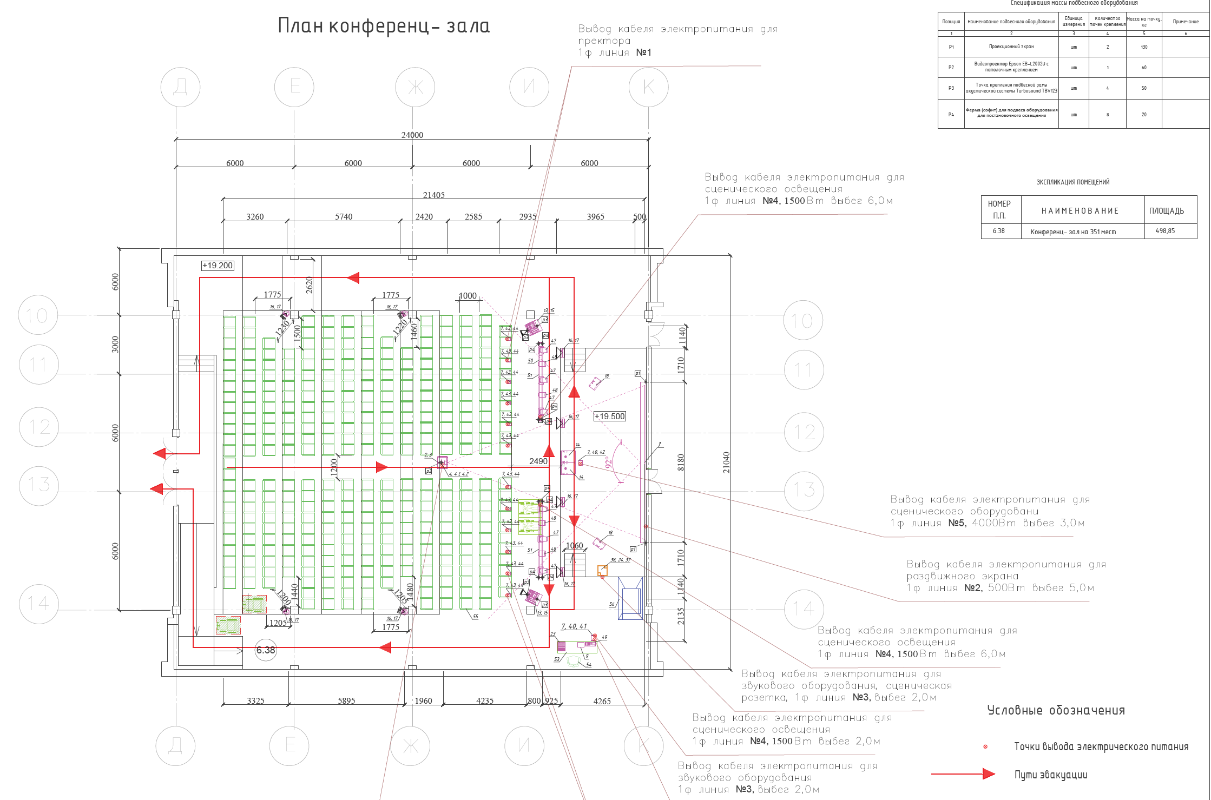
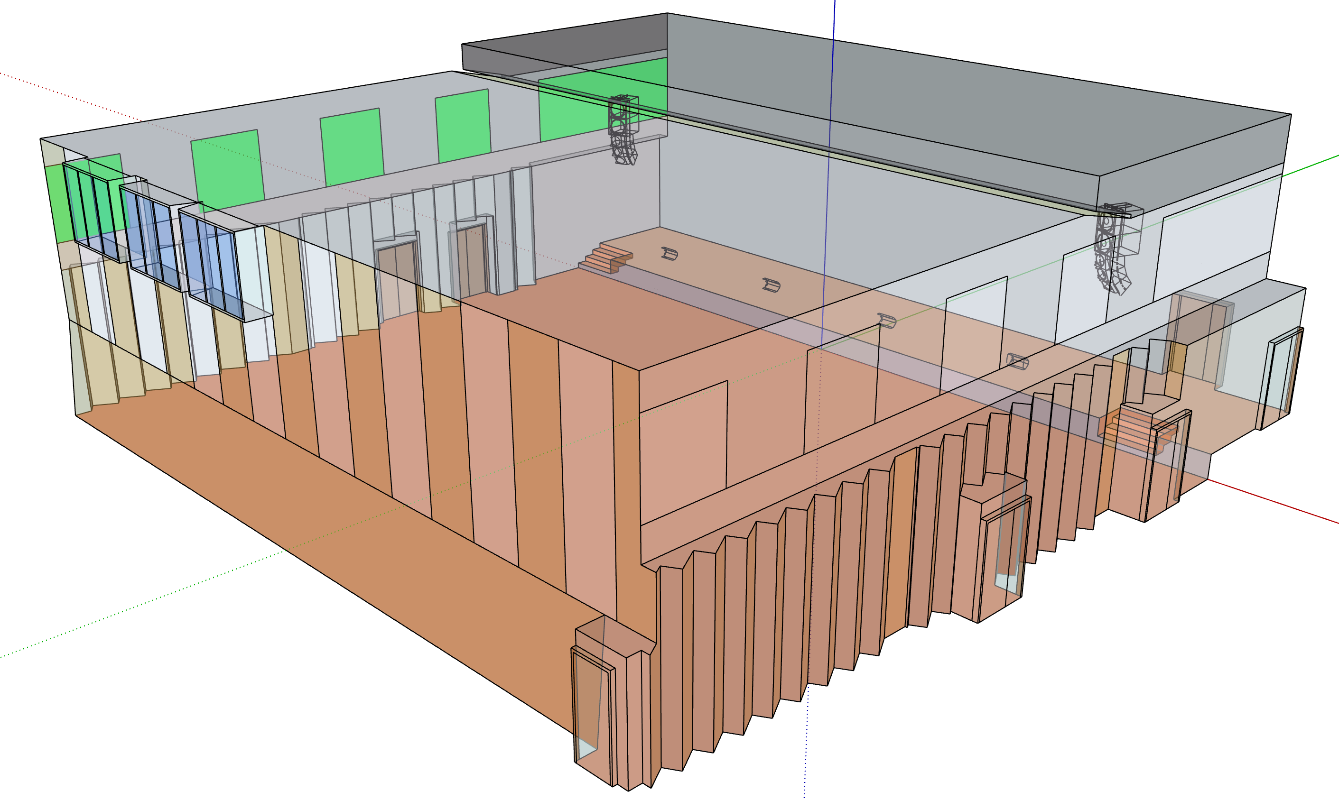
- grafični del, ki vsebuje podatke, kot so sheme priključitve opreme, razporeditev opreme v prostorih z navedbo dimenzij ter druge risbe ali značilnosti projekta;
- specifikacija opreme, seznam vse potrebne opreme, vključene v projekt, skupaj s preklopnimi komponentami;
- kabelski dnevnik, ki se uporablja za preverjanje polaganja kabelskih tras in pravilnosti njihovih povezav;
- certifikati uporabljene opreme.
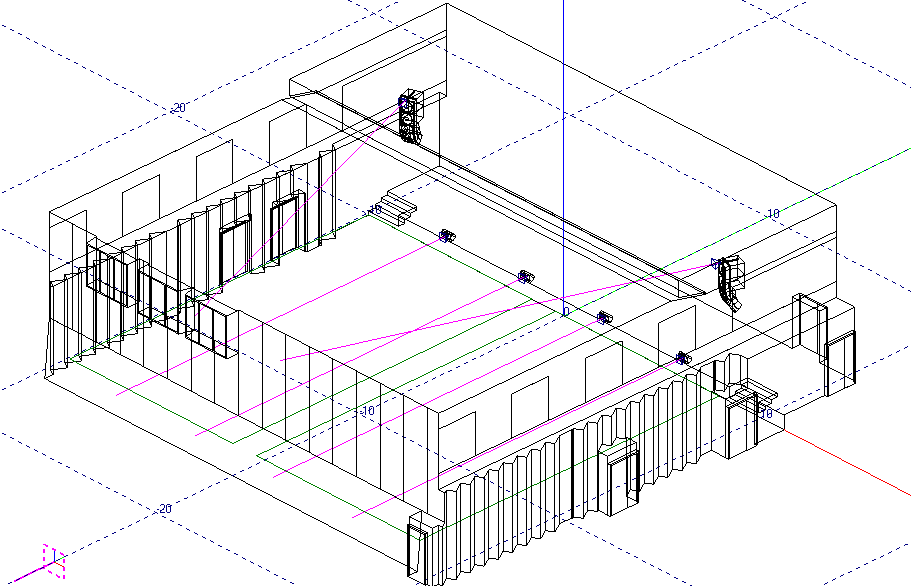
Akustični in/ali elektroakustični izračuni so v zadnjem času postali obvezen del vsakega projekta, ki obravnava ozvočenje prostorov ali odprte površine. Ta postavka prikazuje, kako natančno so nameščeni zvočniški sistemi, ti pa so lahko poljubne vrste – koncertni linijski sistemi, stenski zvočniki, stropni in drugi. Brez izračuna ni dokaza, da je izbrana akustična oprema pravilno izbrana in nameščena na potrebnih mestih za enakomerno porazdelitev zvočnega signala.
Naši strokovnjaki izvajajo vse vidike projektne dokumentacije za ozvočevalni sistem. Akustične in elektroakustične izračune izvajamo tako v okviru projektne dokumentacije kot ločeno.
Strokovnjaki, ki izvajajo delo pri izdelavi projektne dokumentacije za ozvočenje, poznajo vse gradbene norme in zahteve nadzornih organov. Z našo izdelavo projektne dokumentacije so vse revizije uspešno opravljene!
Podjetje Acoustics Delta izdeluje projektno dokumentacijo za sisteme, kot so zvočna oprema za dvorane, kulturne domove, gledališča, koncertne dvorane in konferenčne dvorane.
Pred izvedbo katerega koli projekta je treba pripraviti projektno dokumentacijo, po kateri se projekt izvaja. Vsaka projektna dokumentacija za ozvočevalni sistem mora vsebovati naslednje razdelke:
- obrazložitveno poročilo, ki opisuje delovanje sistema in vsebuje kratek opis naprav ter točke o porabi električne moči in zahtevah za namestitev;
- grafični del, ki vsebuje podatke, kot so sheme priključitve opreme, razporeditev opreme v prostorih z navedbo dimenzij ter druge risbe ali značilnosti projekta;
- specifikacija opreme, seznam vse potrebne opreme, vključene v projekt, skupaj s preklopnimi komponentami;
- kabelski dnevnik, ki se uporablja za preverjanje polaganja kabelskih tras in pravilnosti njihovih povezav;
- certifikati uporabljene opreme.
Akustični in/ali elektroakustični izračuni so v zadnjem času postali obvezen del vsakega projekta, ki obravnava ozvočenje prostorov ali odprte površine. Ta postavka prikazuje, kako natančno so nameščeni zvočniški sistemi, ti pa so lahko poljubne vrste – koncertni linijski sistemi, stenski zvočniki, stropni in drugi. Brez izračuna ni dokaza, da je izbrana akustična oprema pravilno izbrana in nameščena na potrebnih mestih za enakomerno porazdelitev zvočnega signala.
Naši strokovnjaki izvajajo vse vidike projektne dokumentacije za ozvočevalni sistem. Akustične in elektroakustične izračune izvajamo tako v okviru projektne dokumentacije kot ločeno.
Strokovnjaki, ki izvajajo delo pri izdelavi projektne dokumentacije za ozvočenje, poznajo vse gradbene norme in zahteve nadzornih organov. Z našo izdelavo projektne dokumentacije so vse revizije uspešno opravljene!
|
Oddajte povpraševanje na spletni strani, v kratkem vas bomo kontaktirali in odgovorili na vsa vprašanja.
|
Naročite storitev
|

Naši strokovnjaki odgovorijo na vsa vprašanja o storitvi
Zastavite vprašanje
Ostanite na tekočem!
Be the first to know about discounts and promotions