Akustični izračun
Akustični in elektroakustični izračuni koncertnih dvoran so pomembna naloga pri načrtovanju in gradnji koncertnih prizorišč. Omogočajo določitev optimalnih parametrov dvorane, kot so velikost odra, število in namestitev zvočniških sistemov ter moč in razmestitev svetlobne opreme.
Akustični izračun določa zvočni tlak, ki ga je treba doseči v vsaki točki dvorane, in omogoča določitev optimalne namestitve zvočnikov za ustvarjanje zahtevanega zvočnega polja. Elektroakustični izračun omogoča določitev potrebne moči elektroakustičnih sistemov in porazdelitve te moči med zvočniki.
Oba izračuna se izvajata s specializiranimi programi in metodami, kot so metoda odmeva, metoda sevanja vira, metoda superpozicije ipd. Ti programi omogočajo določitev optimalne velikosti dvorane, namestitve zvočnikov in drugih parametrov, ki bodo ustvarili kakovostno zvočno polje in zagotovili udobno poslušanje glasbe vsem gledalcem.
Akustični izračuni se izvajajo za prostore, kjer je predviden stalen zvok glasbe, glasov in drugih zvočnih učinkov. Podobno načrtovanje potrebujejo tudi stanovanjski prostori, vendar ne tako izrazito kot specializirani. Na primer, gledališča, dvorane in predstavitveni prostori morajo biti posebej pregledani.
Danes je posebna pozornost namenjena starim koncertnim dvoranam in gledališkim objektom, saj tam prej ni bilo akustičnega načrtovanja, zdaj pa je ta faza ena od zahtev pri obnovi ali gradnji specializiranih prostorov.
Kaj je akustični izračun?
Natančneje, priporočila vsebujejo podrobne informacije o vrsti stavbe, njeni površini, številu in prisotnosti vhodnih skupin in celo zaves ter o načinih namestitve gradbenih materialov in dekorja, ki vplivajo na zvočno prepustnost.
Glavni cilji
Pri gradnji stanovanjskih, upravnih ali industrijskih stavb je hrup vedno eden od predmetov pozornosti, še posebej, če se v mestu z živahnim prometom gradi visoka stavba ali nakupovalno središče.
Ves hrup delimo na akustičnega (nihanje delcev v različnih okoljih) in radioelektronskega. Za izvedbo izračuna se oblikujejo glavni cilji:
1. Določiti stopnjo hrupa, če obstajajo podatki o njegovem viru in glavnih značilnostih.
2. Izbrati optimalno formulo in orodja za zmanjšanje ravni hrupa.
3. Izbrati metode in materiale, ki bodo pomagali doseči želene rezultate pri povečanju zvočne prepustnosti.
Na podlagi teh ciljev je mogoče zastaviti glavno nalogo – izvesti izračune za določeno konstrukcijo tako, da bo negativni vpliv hrupa v notranjosti objekta minimalen.
Faze izračuna
Po prejemu vseh začetnih podatkov o virih hrupa in njihovih značilnostih se razvijejo posebni ukrepi ali orodja za rešitev problema prekomernega hrupa in za načrtovanje objekta na podlagi splošnih zahtev. Za pripravo projekta je treba dosledno slediti seznamu dejavnosti, ki ustrezajo naslednjim fazam:
-
zbiranje podatkov (odkrivanje zvočnih virov, njihove narave, značilnosti in lastnosti);
-
analiza ključnih parametrov stavbe (njena oblika, raven odmeva ali verjetnost njegovega nastanka, prisotnost napak v gradbeni tehnologiji ali oslabljenih konstrukcij);
-
izbira predmetov notranje opreme in pohištva, ki opravljajo zvočno absorpcijsko funkcijo;
-
neposredni akustični izračun (izbira točk izračuna glede na površino stavbe in njen namen; seštevanje vseh virov po ravni in značilnostih zvoka);
-
primerjava pridobljenih podatkov z veljavnimi sanitarnimi standardi;
-
izdelava projekta za izboljšanje zvočne izolacije in zvočne prepustnosti.
-
Večina faz poteka v računalniškem programu, vendar sta končni rezultat in učinkovitost vseh ukrepov za zmanjšanje zvočnih nihanj in izolacije hrupa odvisna od začetne faze (zbiranje in analiza začetnih podatkov).
Kako se izvaja akustično načrtovanje?
V 70 % primerov se projektanti srečajo s »plahutajočim odmevom«, ki ga spremljajo neprijetni in ostri zvoki. Projektanti se s takšno situacijo srečujejo tako v nakupovalnih središčih, velikih pisarniških prostorih kot celo v prostorih, namenjenih umetniškemu preživljanju prostega časa. Optimizacija vseh negativnih zvočnih vidikov bistveno izboljša akustiko skoraj vsakega zvočnega sistema in preoblikuje njegov dejanski potencial ter kakovost izhodnega zvoka.
Pravila in zahteve urejajo veljavni tehnični standardi s sklicevanjem na panožne standarde in operativne značilnosti. Načrtovanje se izvaja na podlagi glavnih faz in poteka po naslednjem algoritmu:
- ugotavljanje virov hrupa in njihovih značilnosti z uporabo sodobnih naprav in programske opreme;
- merjenje ključnih fizikalnih in zvočnih značilnosti stavbe;
- izračun posameznih virov in ravni hrupa, seštevanje kazalnikov za ustvarjanje enotnega sistema hrupnih motenj;
- izračun najmanjše, optimalne in največje dopustne ravni hrupa na podlagi sanitarnih zahtev in veljavnih standardov;
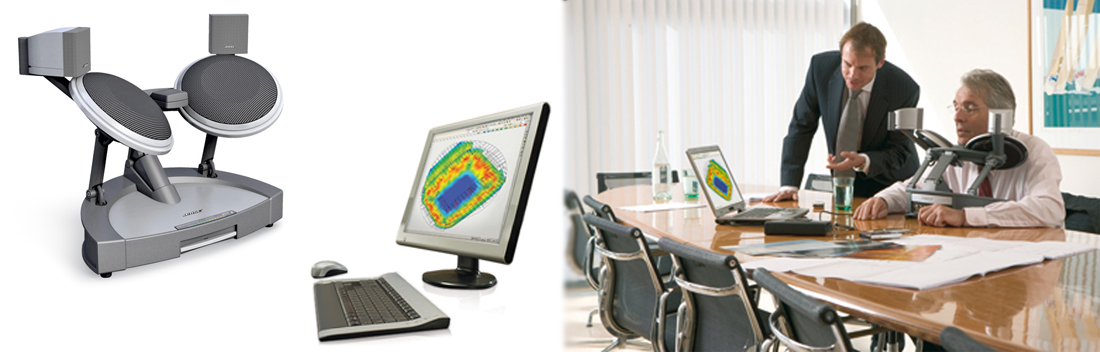
- izdelava računalniškega modela objekta z navedbo večbarvnih tokov hrupa;
- izbira univerzalnih gradbenih in projektnih orodij za normalizacijo ravni hrupa;
- izračun učinkovitosti predlaganih ukrepov in določitev kakovosti orodij;
- merjenje ravni hrupa po izvedbi vseh protihrupnih rešitev;
- izdelava ustreznega akustičnega izkaza objekta.
Ključni kazalniki, ki morajo biti prisotni
Ko naročnik zaprosi za dokumentacijo o parametrih hrupa določenega prostora, mora razumeti, kaj bo dejansko dobil kot rezultat. Obstajajo določene značilnosti, ki jih je treba izračunati v vseh okoliščinah, in sicer:
- zvočna izolacija glavnih elementov konstrukcije (sten, predelnih sten, stropov, prezračevalnih sistemov ali klimatskih naprav);
- intenzivnost zvočne absorpcije (pohištvo in njegov material, prisotnost dodatnih vrat ali oken, prezračevalnih kanalov, mehkega dekorja in tekstila, zaves);
- zunanja in notranja protivibracijska izolacija stavbe ter tehnične opreme.
V začetni fazi se opravijo vse obvezne meritve, saj kasneje ne bo več mogoče uvesti sprememb v notranjost ali razporeditev objekta. V skladu z veljavnimi standardi je za vrsto stavb in objektov treba izdati poseben akustični izkaz. Na seznamu so visoke stavbe in stanovanjski kompleksi, zdravilišča in hoteli, šole in univerze, športne in prireditvene dvorane, pisarne in nakupovalna središča, nočni klubi in gledališča ter mnogi drugi objekti.
Za delo je odgovoren strokovnjak, kot je akustični inženir. Opravi vse potrebne meritve, nato pa prostor modelira na računalniku in izdela izračun.
Vhodni parametri za izračun
Za udobno bivanje v stavbi je treba doseči ravni hrupa na ravni zaznavanja oktavnih frekvenčnih pasov: 125 Hz, 500 Hz in 2000 Hz. Raven stalnega hrupa se izračuna na podlagi ustaljenih formul z uporabo korekcijskih faktorjev. Kot vhodni parametri se upoštevajo naslednje točke:
- načrti in razporeditev;
- sheme razporeditve;
- največja raven zvoka;
- ekvivalentna trajna raven zvoka;
- parametri kolen, zračnih kanalov, krmilnih ventilov in drugih ključnih točk;
- hitrost kroženja zraka;
- hrupne značilnosti nameščenih strojev ali zunanjih virov hrupa;
- debelina sten, njihov material, prisotnost dodatnih elementov zvočne izolacije na oknih, vratih, zunanja ali notranja izolacija;
- lega objekta na zemljevidu mesta in njegova bližina neposrednim virom brnenja.
Posebni protihrupni materiali za notranjo in zunanjo obdelavo
Zvočna izolacija je resen problem, in če je treba doseči visoko kakovost akustike, je treba izbiri obložnega materiala nameniti posebno pozornost. V večini primerov se potreba po povečani izolaciji hrupa v stanovanjskih stavbah pojavi, ko je kršena gradbena tehnologija ali so stene pretanke. Če gre za športne ali plesne dvorane, kinodvorane ali nakupovalna središča, so vzroki hrupa povsem drugačni. Najbolj priljubljeni in cenovno dostopni obložni materiali so:
- penasta guma, ki korigira visoke in srednje frekvence ter zmanjšuje odmev;
- plošče za nadzor zvočnih nihanj in odmeva;
- materiali za absorpcijo in zmanjšanje hrupa;
- stropi, ki odstranjujejo odvečni hrup iznad prostora ali stavbe.
Po zaključku dela naročnik prejme akustični izkaz, ki odraža aktualne podatke o ravni izolacije hrupa, zvočne izolacije in odmeva.
Naša ponudba
Že več kot deset let na trgu ponujamo storitve akustičnega načrtovanja za objekte različnih ravni zahtevnosti. Naša jamstva so bogate izkušnje pri reševanju zahtevnih nalog, zmogljiva tehnična in materialna baza ter odlični strokovnjaki.Z naročilom storitve pri nas ne boste prejeli le zanesljivega izračuna, temveč tudi vso spremljajočo dokumentacijo. Uporaba sodobnih tehnologij in računalniških programov nam omogoča pospešitev priprave potrebnih priporočil. Pravilnega akustičnega izračuna ne more izvesti vsako gradbeno podjetje, saj znanje zgolj s področja industrijskega in civilnega inženirstva za to ne zadostuje. Če raven hrupa povzroča nelagodje in popači zvoke, ne gre brez posebnega izračuna, ki ga izvedejo strokovnjaki.
|
Oddajte povpraševanje na spletni strani, v kratkem vas bomo kontaktirali in odgovorili na vsa vprašanja.
|
Naročite storitev
|