Načrtovanje ozvočenja z akustičnimi izračuni za dvorano izobraževalnih ustanov
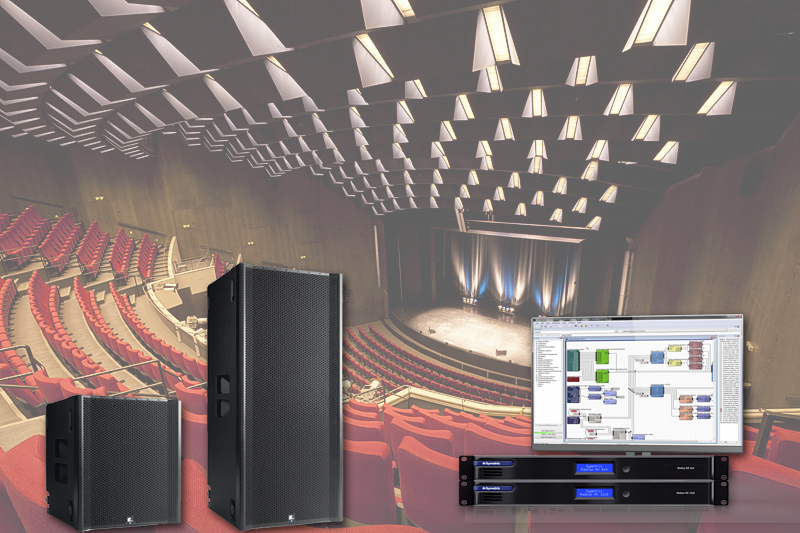
Ozvočenje je potrebno tudi v dvoranah šol in drugih izobraževalnih ustanov. Za udobno zaznavanje zvočnega signala je treba izvesti akustični izračun prostora, izbrati akustične materiale za optimizacijo časa odmeva in ustrezne zvočnike.
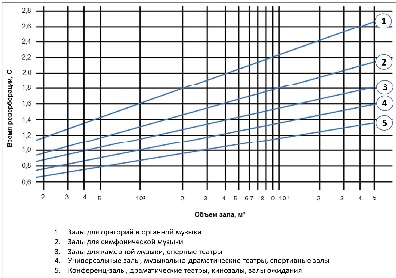
Ozvočenje je potrebno tudi v dvoranah šol in drugih izobraževalnih ustanov. Za udobno zaznavanje zvočnega signala je treba izvesti akustični izračun prostora, izbrati akustične materiale za optimizacijo časa odmeva in ustrezne zvočnike. Čas odmeva je odvisen od prostornine prostora; korekcija se izvede z izbiro obložnih materialov. Brez ustrezne obloge sten in stropa prostora lahko nastane visok čas odmeva, kar vodi do velikih odbojev zvočnih signalov, prekratek čas odmeva pa povzroči pretirano zadušitev prostora. Močno zadušen prostor poslabša širjenje zvočnega signala. Za optimizacijo časa odmeva se uporablja graf odvisnosti vrednosti od prostornine, kot ga določajo veljavni standardi za zaščito pred hrupom.
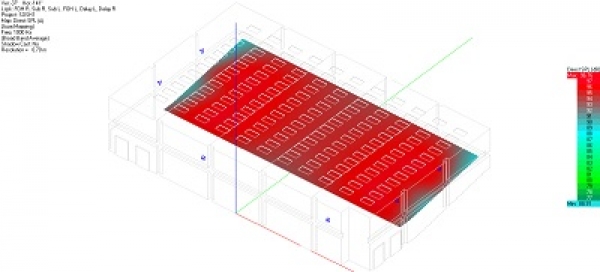
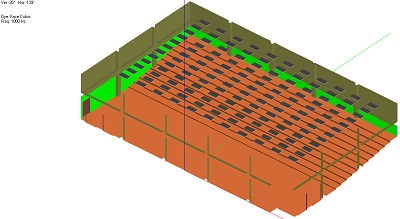
Akustični izračun s programsko opremo EASE (Enhanced Acoustic Simulator for Engineer) omogoča, da v računalniškem modelu dvorane spreminjamo obložne materiale in optimiziramo čas odmeva na priporočene vrednosti. V tridimenzionalni model dvorane se dodajo simulatorji zvočnih sistemov, na podlagi katerih se izračunajo akustični parametri, na primer: zvočni tlak, zvočni tlak z odbitim signalom, razumljivost govora, čas prihoda zvočnega signala do poslušalcev, koeficient izgube zvoka in drugi.
Korekcija izračunov akustičnih parametrov je odvisna od namestitve zvočnikov in njihove usmeritve proti sedežem poslušalcev. Tudi število zvočnikov se določi izključno z elektroakustičnimi izračuni. Ko pridobimo natančen izračun z določitvijo zvočnih sistemov, lahko preidemo na naslednjo fazo načrtovanja ozvočevalnega sistema, in sicer na izbiro dodatne zvočne opreme za ojačanje in nadzor zvočnega signala. Izbira ojačevalnikov temelji na parametrih zvočniških sistemov, impedanci moči in vrsti priključka. Zvočna pot je sestavljena iz več obveznih komponent, vključno z mešalno mizo, opremo za predvajanje fonogramov, mikrofoni in napravami za obdelavo zvočnega signala. Slednje komponente se izberejo glede na naloge, ki jih je treba izvesti v danem prostoru. V dvoranah izobraževalnih ustanov je potrebno vključiti brezžične mikrofone in predvajalnike različnih formatov CD in USB.
Projekt določa vse tehnične značilnosti opreme in podrobno shemo priključitve. Pogosto naročnik zada nalogo načrtovanja ozvočevalnega sistema, na podlagi katere naši inženirji izberejo zvočno in projekcijsko opremo. Na podlagi izračuna določimo montažne točke za zvočniške sisteme in namestitev dodatne opreme.
|
Oddajte povpraševanje na spletni strani, v kratkem vas bomo kontaktirali in odgovorili na vsa vprašanja.
|
Naročite storitev
|