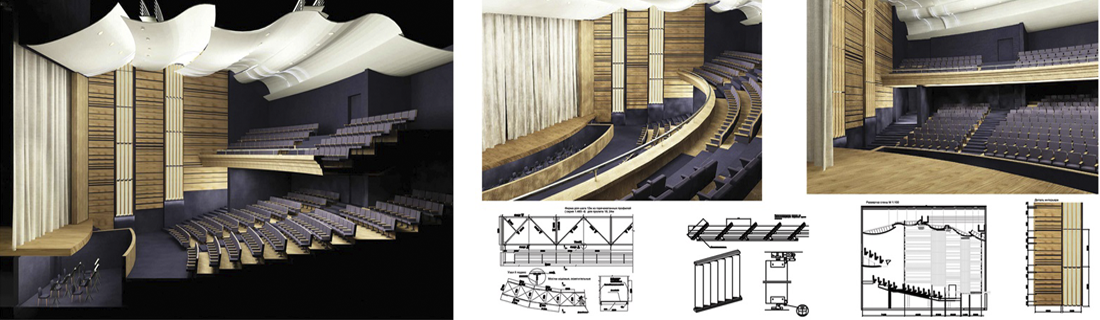
Načrtovanje dvorane
Prvi in pomemben parameter, ki ga je treba upoštevati pri akustičnem načrtovanju, je površina potencialne dvorane. Kadar je majhna, potrebe ni. Drugi pomemben dejavnik je število gledalcev. Veliko obiskovalcev popači naravna nihanja, prepreči nastanek odmevov in ustvari druge motnje, ki popačijo zvok.
Kaj je akustično načrtovanje dvorane?
Gre za določitev razmerja med celotno prostornino prostora, njegovo obliko, notranjimi obrisi in številom rednih obiskovalcev. Na podlagi rezultatov se izdela dokumentacija, ki upošteva parametre, kot so: prostornina prostora, njegova geometrijska oblika, obris površin, ovire, ki preprečujejo nastanek odmeva, in druge točke.
S pravilnim načrtovanjem je mogoče doseči idealno porazdelitev odbitega zvoka in zadostno difuznost zvočnega polja. Zvočni pregled dvorane ni priporočilo ali želja lastnikov, temveč z zakonom določena zahteva. Bistvo je v tem, da lahko stopnja zvočne izolacije in kakovost izolacije hrupa neposredno vplivata na prihodnje delovanje objekta. Bolje kot zveni glasba v dvorani ali glasovi nastopajočih, učinkoviteje se bo prostor uporabljal.
Glavne naloge pri zvočnem načrtovanju dvorane?
Ker je dvorana vedno zaprt prostor, po prenehanju delovanja vira hrupa ali zvoka prisotni v dvorani še nekaj časa zaznavajo glasbene ali govorne elemente. Ta pojav pojasnjuje dejstvo, da se zvok, ustvarjen v izračunani točki, projicira kot neposredna zvočna energija in energija zvočnih valov, odbitih od površin. Skladno s tem se pojavi odmev – učinek zmanjševanja zvočne energije. Akustično načrtovanje dvorane se sooča z več nalogami:
-
zmanjšanje časa odmeva;
-
prenos čistega zvoka brez ojačanja do zadnjih delov dvorane;
-
določitev ravni hrupa z opredelitvijo njegovih virov, razvrstitvijo in glavnimi značilnostmi;
-
iskanje optimalnih sredstev, ki bi prenašala zvok skozi zračno polje brez učinka odmeva in zvočnih nihanj;
-
izbor praktičnih elementov, ki vplivajo na raven brnenja, in njihova uporaba v skladu z veljavnimi tehničnimi standardi.
Večina faz akustičnega načrtovanja dvorane se izvaja z digitalnimi tehnologijami, vendar sta končni rezultat in učinkovitost vseh dejavnosti odvisna od začetne faze (zbiranje in analiza začetnih podatkov).
Na katere faze naj bo razdeljeno?
Začetna faza akustičnega načrtovanja dvorane, kot pri vsaki drugi konstrukciji, obsega delo z arhitekturno zasnovo, dejanskimi površinami, geometrijsko obliko, kapaciteto dvorane in njeno stopničasto ureditvijo. Ko so obdelani vsi podatki o arhitekturnih in tehničnih vidikih, akustično načrtovanje dvorane preide v konkretno fazo:
-
uporaba geometrijskih ali žarkovnih zvočnih reflektorjev in izdelava njihovih projekcij;
-
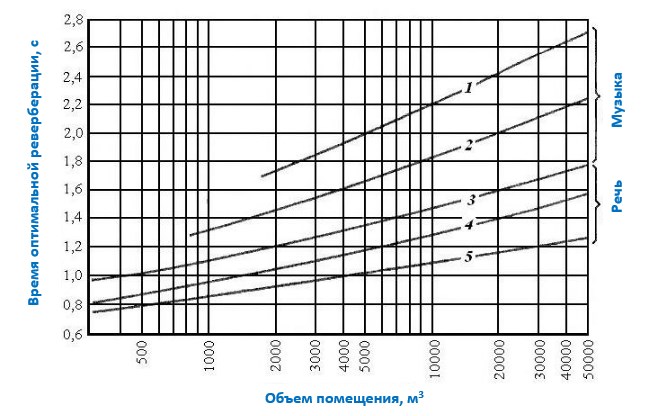
določitev najmanjšega, priporočenega in največjega časa odmeva;
-
neposreden izračun časa odmeva glede na površino in število obiskovalcev;
-
analiza zasnove, materialov in konstrukcij (pohištva ali opreme) glede njihove zvočne absorpcije;
-
preizkušanje razumljivosti govora v dvorani izključno z naravno akustiko.
Akustično načrtovanje dvoran je večnivojski sistem, ki lahko prekaša celo gradbeno načrtovanje in arhitekturne rešitve. Nepravilno akustično načrtovanje bo povzročilo, da bo zvok čim bolj razpršen v prvih vrstah, odmevi bodo dosegli sredino dvorane, do zadnjih vrst pa bo prišel celo hrup ozadja z motnjami in brnenjem.
Akustične značilnosti dvoran
- Naravna akustika. Obiskovalci slišijo dejanski zvok glasu ali inštrumentov, na njegovo kakovost pa vpliva splošna akustika prostora. Ta vrsta je mogoča v prostorih, ki sprejmejo do 3000 ljudi.
- Mešana akustika. Tu gre za kombinacijo naravnega zvočnega sistema, ozvočenja in zunanje zvočne izolacije. Ta pristop se uporablja v prostorih s kapaciteto do 4500 ljudi.
Obstaja tudi popolnoma umetna akustika, vendar se ta uporablja bolj v velikih koncertnih dvoranah kot v šolski ali univerzitetni predavalnici. Pri načrtovanju dvorane ima ključno vlogo več značilnosti:
- prostornina prostora;
- čas zakasnitve prvih odbojev od stropa;
- polmer neposrednega zvoka;
- prisotnost ali odsotnost gledališkega odmeva;
- polmer zvočnega polja;
- skupno število sedežev v dvorani;
- zvočna absorpcija predmetov.
Ob upoštevanju vseh teh kazalnikov je mogoče izdelati pravilen akustični izračun in načrt dvorane.
Naša ponudba
|
Oddajte povpraševanje na spletni strani, v kratkem vas bomo kontaktirali in odgovorili na vsa vprašanja.
|
Naročite storitev
|